The States That Get the Most Snow Days Per Year
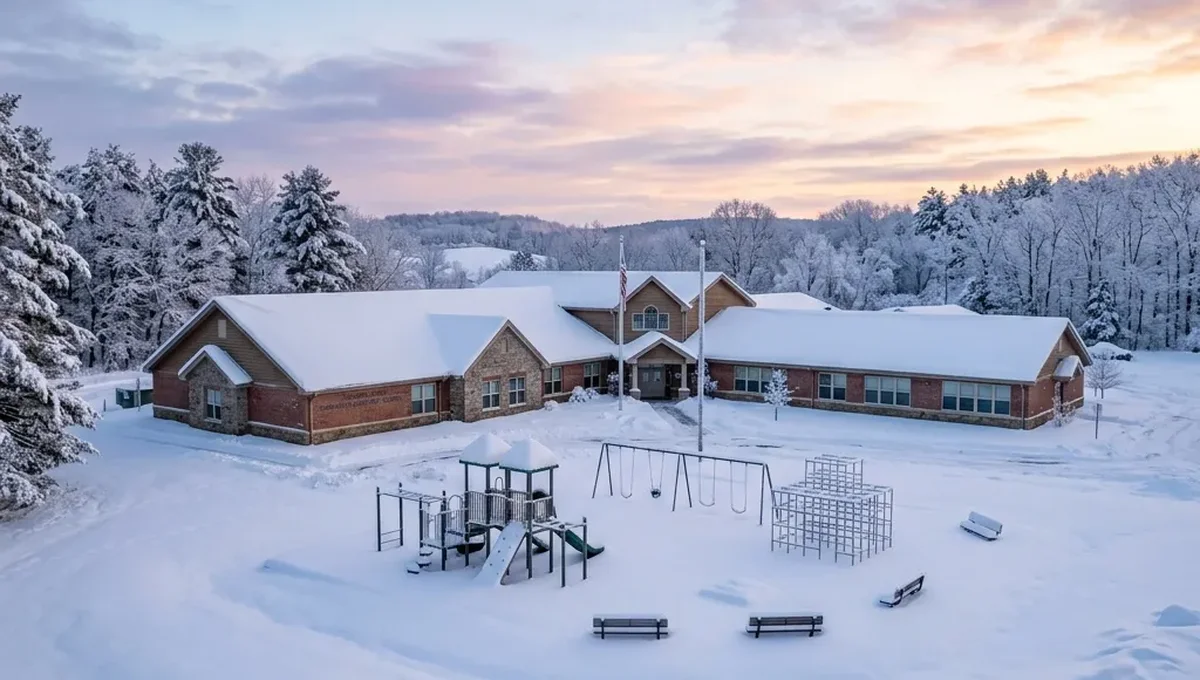
Ranked: which states rack up the most school snow days annually — and which ones are surprisingly vulnerable despite mild climates.
Not all snow days are created equal. A school in Buffalo, New York operates on a completely different winter calculus than a school in Raleigh, North Carolina — yet both experience school closures due to winter weather every year. The difference is in frequency, thresholds, and preparedness.
The Top 10 States by Average Annual Snow Days
Based on historical NOAA data and school district closure records spanning 10 years, here are the states where students lose the most instructional time to winter weather:
| Rank | State | Avg Snow Days/Year | Notable Reason |
|---|---|---|---|
| 1 | West Virginia | 7.4 | Mountain terrain, rural roads |
| 2 | New York | 6.8 | Lake effect snow in western NY |
| 3 | Michigan | 6.5 | Lake effect from Lakes Michigan & Superior |
| 4 | Ohio | 5.9 | Lake Erie snow belt |
| 5 | Pennsylvania | 5.7 | Allegheny plateau elevations |
| 6 | Indiana | 5.2 | Lake Michigan snow belt |
| 7 | Wisconsin | 5.0 | Long winter season, rural districts |
| 8 | Kentucky | 4.8 | Low plowing capacity for ice events |
| 9 | Virginia | 4.5 | Low closure thresholds, ice vulnerability |
| 10 | North Carolina | 4.1 | Very low thresholds, rare events cause panic |
The Surprising Vulnerables: Southern States
Here's the counterintuitive twist: states like North Carolina, Virginia, Tennessee, and Georgia consistently rank in the top 15 for school snow days despite receiving far less snowfall than northern states. Why?
Southern states have minimal snow removal infrastructure, very low driver experience on winter roads, and school closure thresholds that can be triggered by a single inch of snow. A storm that barely registers in Cleveland can shut down Atlanta for 3 days.
Infrastructure Gap
Buffalo, NY owns hundreds of plow trucks and maintains massive salt reserves year-round. A comparably sized city in the South might own fewer than a dozen plows — for the entire county. When a rare ice storm hits, the infrastructure simply cannot respond fast enough.
Driver Experience Gap
A driver in Minnesota has likely driven in snow hundreds of times. A driver in Georgia may have done so twice in their lifetime. Even with treated roads, accident rates spike dramatically in southern states during winter events — which forces superintendents to close school for safety reasons regardless of actual snowfall totals.
States With the Fewest Snow Days
At the opposite end of the spectrum, these states report fewer than 0.5 snow days per year on average:
- Florida — sub-tropical climate, essentially zero winter weather events
- Hawaii — schools close for hurricanes, not snow
- California — coastal districts almost never close; mountain districts close regularly
- Texas — varies wildly by region; Houston averages near zero while Amarillo averages 2+
- Arizona — Phoenix averages zero; Flagstaff at 7,000 ft elevation averages 3+
The Lake Effect Factor
The single biggest driver of extreme school snow day counts is lake effect snow. Communities downwind of the Great Lakes — particularly the Buffalo–Rochester corridor in New York, and the South Bend–Fort Wayne corridor in Indiana — regularly receive localized snowfall totals that dwarf official state averages. Buffalo schools have closed for 60-inch lake effect dumps in a single event.
How Many Snow Days Do Schools Get?
Most state education departments budget for 3–5 snow days per academic year. Districts in high-risk regions may build in 7–10. When districts exceed their allotment, they face difficult choices: extending the school year, reducing spring break, or seeking waivers from the state education board.
Check Your Local Snow Day Odds ❄️
See how your ZIP code compares — enter your location to get a real-time probability score based on live weather and your region's historical closure patterns.
Predict My Snow Day Now